The World Has Talent
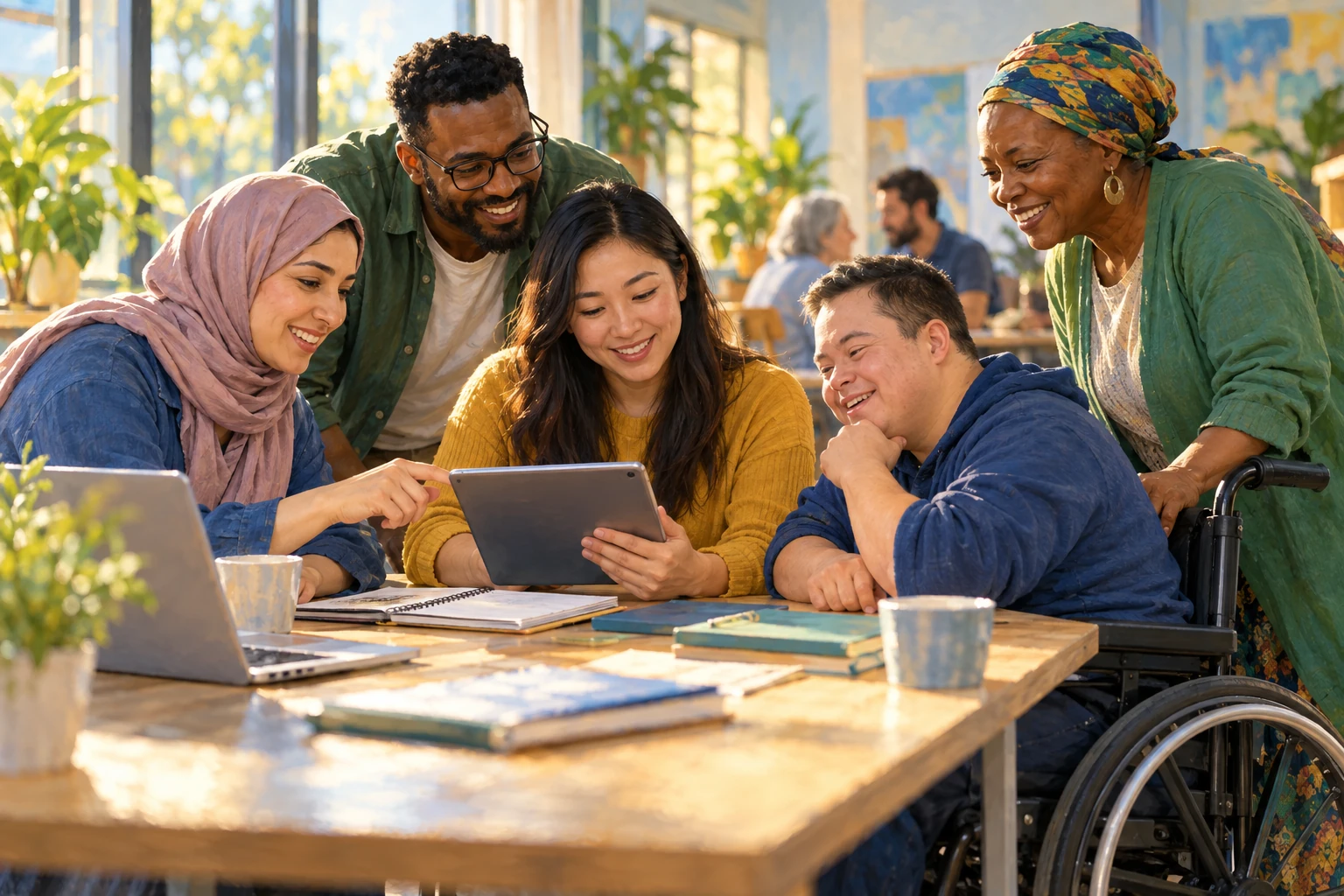
An invitation to help every child discover their creativity—and to share the remarkable life within every room of our shared house.
There have been times when I have watched talent programs and found tears coming to my eyes.
Sometimes it was a very young child singing, playing an instrument, dancing, or expressing an ability that seemed extraordinary for their age. Sometimes it was an older child, a teenager, or an adult sharing something beautiful.
Those tears came from appreciation for what I was witnessing. But there was another thought behind them:
What would our world look like if every child had an opportunity to explore their creativity?
How many children have abilities they have never had the opportunity to discover? How many would enjoy creating if someone encouraged them, provided a place to begin, or helped them obtain the materials they needed?
An invitation to the people who open those doors
Through Governing for Life, I would like to invite talent-show producers, broadcasters, arts organizations, teachers, performers, and creators to contribute to our growing living encyclopedia.
We describe Earth as one shared house, with countries and communities as its many rooms. Each room holds creativity that people elsewhere may never encounter. Your work already helps bring some of that creativity into view.
Would you share examples that introduce people to the talent, imagination, and cultural life within those rooms? Would you also help us understand the encouragement, teaching, practice, and support behind what we see?
A performance can move us. Its story can help us recognize how to create opportunities for others.
What happened before the applause?
We see someone step onto a stage. We may know very little about the years—or the first small moments—that brought them there.
Who noticed their interest? Who encouraged them? Did a teacher find a way to help when another approach had failed? Did a family or community provide an instrument, a rehearsal space, transportation, or simply time to practice?
What difficulties did the person encounter? What helped them continue?
We invite organizations and performers to share these experiences, including approaches that other schools and communities could adapt.
We would also like to hear from the creators themselves:
- What inspired you?
- How do you feel while creating?
- What did you discover about yourself?
- What was difficult, and what helped?
- Does creativity help you express feelings or work through struggles?
- What could your community do to help others explore their abilities?
People should share only what they feel comfortable making public. A meaningful story does not require someone to disclose painful or private experiences.
Creativity also happens in everyday places
I have seen short videos of children and adults performing in public that made people stop what they were doing and pay attention.
A person begins playing a piano. Someone sings in a public square. A dancer, an artist, or a small group creates a moment that draws strangers together. For a little while, people share an experience.
We welcome contributions from performers and people who organize these opportunities: public-piano projects, community festivals, street-performance groups, school choirs, dance groups, and independent creators.
We are interested in what makes those moments possible. How was the space arranged? How were beginners welcomed? What could another community learn from it?
Every child deserves a beginning
Talent programs can reveal remarkable abilities. Our invitation also extends to children who are beginning, experimenting, or creating simply because they enjoy it.
A child should not need to win a competition, attract a large audience, or become a professional to have their creativity valued.
Drawing with simple materials, making an instrument, telling stories, weaving, building, dancing, gardening, or singing with friends can all offer opportunities for discovery.
We can celebrate exceptional performances while making room for everyone to participate.
Financial circumstances should not decide which children receive encouragement. Communities can explore shared instruments, free workshops, lending collections, accessible spaces, and paid teaching opportunities that make participation possible for more families.
Sharing knowledge between the rooms
Organizations could contribute more than recordings. You might share a short creative activity, a teaching demonstration, an account of a successful community project, or an explanation of how you made participation more affordable and accessible.
Teachers could exchange methods. Performers could describe what helped them develop. Communities could explain how they supported children who had previously been excluded.
Children could also tell us what opportunities they would like adults to create—and adults could respond with what they can do.
These exchanges should welcome cultures and traditions without political or religious recruitment. Their purpose is understanding, creative freedom, and care for one another.
How you can participate
- Links to performances on your official website or channel.
- Photographs, artwork, and stories you have permission to share.
- Teaching ideas and activities others can try.
- Examples of affordable or free creative opportunities.
- Suggestions for school and community exchanges.
For video and music, please provide an official link in your submission. Photographs can be submitted through the website for review.
Please share only material you are authorized to provide, with appropriate permission from the people involved. Children’s participation should be supported by responsible adults, respect their wishes, and protect their privacy.
Contributions are reviewed before publication, with agreed credit and links to the original source. Participation does not require transferring ownership of your work. Suggesting a public link is welcome; reproducing recordings or photographs requires the relevant permission.
What could your organization share that might help someone in another room discover their own creativity?
Together, we can give more people opportunities to see what is possible—and more children opportunities to discover what is possible within themselves.
Organizations and programs we invite to contribute
This is a starting list, not an exhaustive directory. These are prospective contributors with official source links checked on October 15, 2026. Listing an organization does not imply endorsement, contact, or an agreed partnership. Availability and current editions vary.
Fremantle and Syco Entertainment
International talent formats — Got Talent and related international entertainment routes.
America’s Got Talent / NBC
United States — Performances and stories about discovering and developing abilities.
Britain’s Got Talent / ITV
United Kingdom — A national showcase for many kinds of performance.
ITV Studios / The Voice
International — The Voice and related formats, including The Voice Kids.
American Idol / ABC
United States — Singing and accounts of artistic development.
India’s Got Talent / Sony LIV
India — Diverse performance traditions and creative abilities.
Arabs Got Talent / MBC Shahid
Arab world — A regional showcase connecting audiences with performers.
Japan’s Got Talent / Yoshimoto Kogyo
Japan — Fremantle’s announcement identifies the Japanese production partner; check current routes before outreach.
Playing For Change Foundation
International — Community music and arts education.
Playing For Change
International — Recorded musical collaborations; distinct from the nonprofit foundation.
From the Top
United States — Young musicians’ performances, personal stories, and learning opportunities.
Young Voices
United Kingdom — School participation through children’s choir concerts.
GURI / Santa Marcelina Cultura
Brazil — Music education for children and young people and experience widening access.
Sing for Hope
United States and international — Public pianos and community arts participation.
Play Me, I’m Yours / Street Pianos
International — Public instruments inviting people to play and connect.
The Busking Project
International — Street performers and creative activity in public spaces.
Music In Africa Foundation
Africa — Music creators, professional networks, and educational work.
Independent performers, YouTube creators, teachers, local arts groups, and viewers with suggestions are welcome too. Please send the original creator’s link rather than an unattributed repost.
Also explore our invitation to share animal encounters and care · Connect schools across our shared house