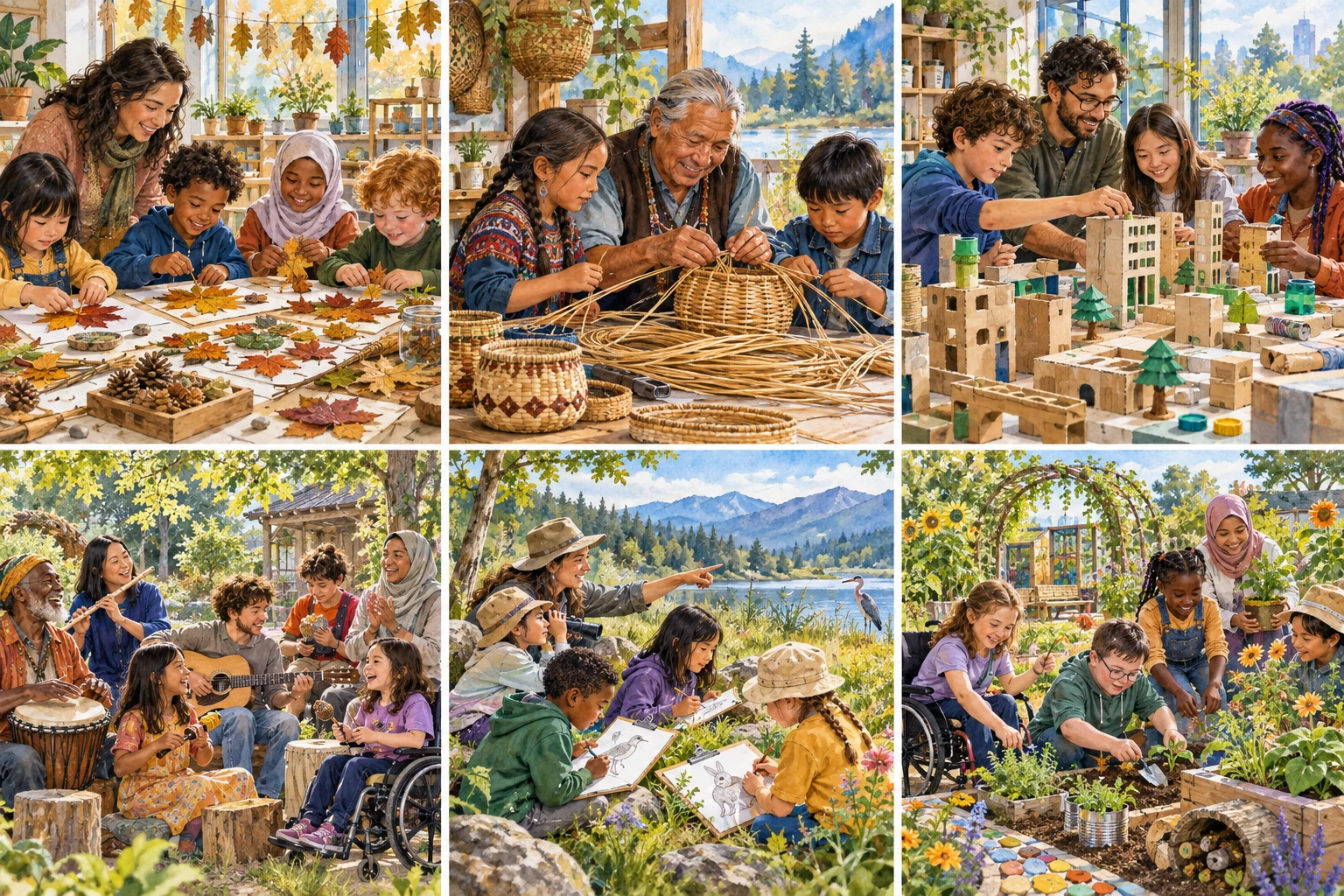
World peace begins with our shared home
Discover the Life in Our Shared House
See its beauty. Understand what is at risk. Discover what you can help protect.
Our planet is more than a collection of borders. Forests, rivers, oceans, soils, plants and animals connect the rooms of our shared house. Discovering that living world can open new interests, strengthen our understanding and give us more reasons to care for it together.
You do not need to travel far to begin. A neighbouring town, state, province or region may hold landscapes and wildlife you have never encountered. For people unable to travel, films, photographs and live cameras can open another window.
A few windows into our living world
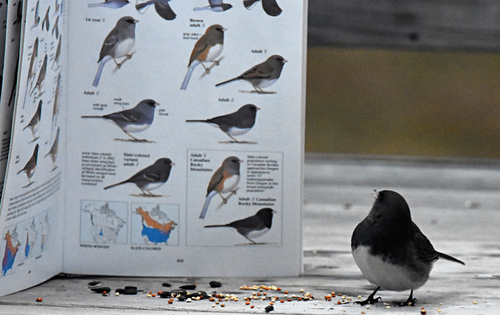
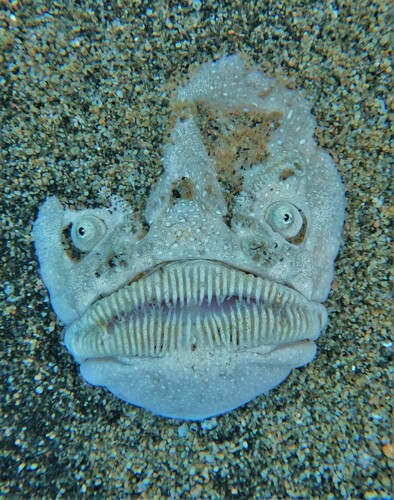
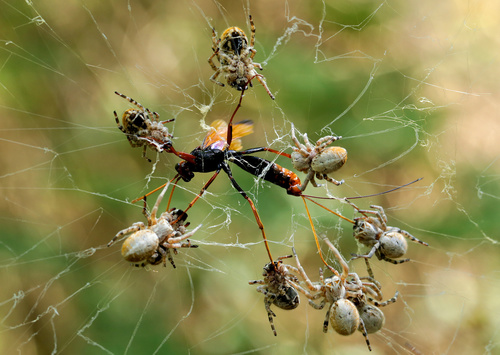

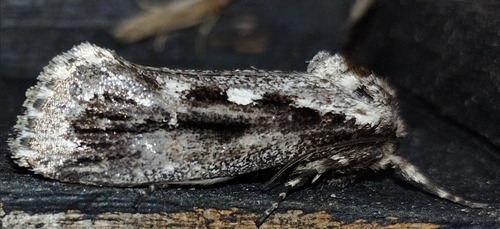
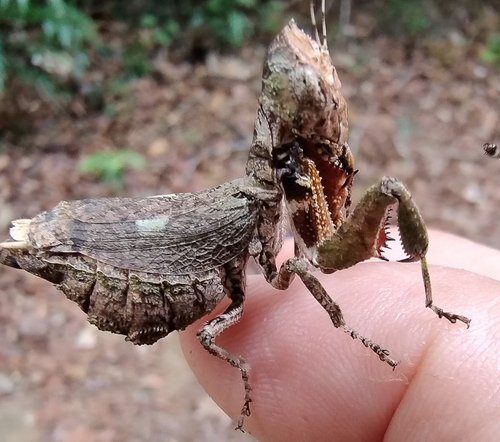

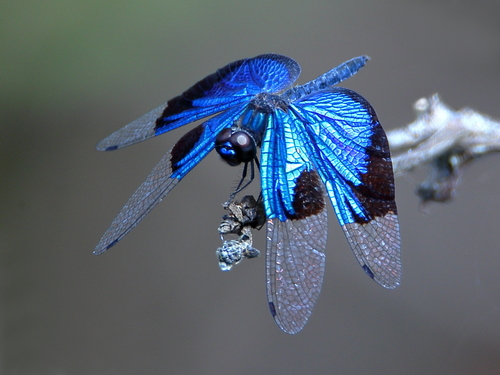
Explore the country galleries for observation details and more photographs.
Give children an opportunity to discover
Michael recalls suggesting nature documentaries at a school where he worked. Staff largely expected the children to prefer action and violence and have little interest in the films. He bought copies, brought them to the school and observed a different response: the children became focused and enjoyed the beauty of life on land and in the oceans.
This is Michael’s personal recollection. Its lesson is an invitation: give children a chance to explore rather than deciding their interests in advance.
A child discovering marine life may become interested in biology or ocean science. Mountains and volcanoes may invite an interest in geology. Plants, animals, photography and conservation may open other paths. Interests can change as children learn; they need freedom to explore more than one direction.
Ask: What surprised you? What would you like to understand? Is there something nearby you could observe or help care for? Adults can connect that curiosity with books, local experts, community projects and safe outdoor experiences. Children can contribute without being made responsible for solving the world’s problems alone.
Documentaries for children and adults
These links lead to official programme or viewing pages. Availability, language, captions and cost vary by country. BBC pages may offer clips and viewing options rather than free full episodes; Netflix requires a subscription for its service; some PBS episodes require Passport. Many NFB films are free, with exceptions.
Planet Earth
Habitats and wildlife around the world. Explore official viewing options
Planet Earth III
Wildlife and habitats in a world shaped by human activity. Explore official viewing options
The Blue Planet
Discover the diversity of ocean life. Explore official viewing options
Blue Planet II
Marine habitats, animal behaviour and deep-sea discoveries. Explore official viewing options
The Green Planet
Plants revealed through close-up and time-lapse photography. Explore official viewing options
Seven Worlds One Planet
Wildlife across the seven continents. Explore official viewing options
Frozen Planet II
Life in polar regions and other cold environments. Explore official viewing options
Our Planet
Natural beauty, connected habitats and human impacts. Explore official viewing options
PBS NATURE
Wildlife documentaries with a changing selection of online episodes. Explore official viewing options
National Film Board of Canada
Explore films about animals and people’s relationships with nature. Explore official viewing options
A free starting point: Netflix has officially posted Our Planet From Deserts to Grasslands as a full episode on YouTube. Access can vary by region. BBC Earth short videos offer shorter discoveries.
Adults can preview material for young viewers. Nature films may include predation, animal deaths and distressing environmental scenes.
Watch life unfolding
Explore.org live nature cameras invite you to observe at a quieter pace. Camera availability changes, and some feeds may show recordings when a live view is unavailable.
What we have and what we could lose
Beautiful footage is also a record of a place and time. It does not establish the present condition of that habitat. Michael recalls wondering whether some of the life shown in older films had since disappeared; particular extinction claims need species-specific evidence.
The 2019 IPBES global assessment estimated that around one million animal and plant species were threatened with extinction. Threatened does not mean already extinct. The assessment identified pressures including land and sea use change, direct exploitation, climate change, pollution and invasive species. Read the assessment findings.
Loss affects more than a beautiful view. Healthy ecosystems support water, food, soil and the lives of other species. Our choices about development, consumption, energy and waste affect what future generations will inherit.
There are opportunities to change course. The Kunming–Montreal Global Biodiversity Framework includes a target to put at least 30 percent of degraded ecosystems under effective restoration by 2030. This is an agreed goal, not a statement that it has been achieved. Explore restoration efforts and the target.
Communities can protect habitats, restore native vegetation, reduce pollution, improve resource use and support livelihoods that sustain nature. Local knowledge and evidence should guide the work. Protecting nature must respect Indigenous peoples and the communities who live with it.
Experience the living world nearby
A screen can show a world we may never reach. Being outdoors offers sounds, scents, weather and the experience of being present. People find enjoyment in different ways; both can encourage curiosity. Begin with what is accessible: birds from a window, a local park, a shoreline, a community garden or a path near home.
Observe wildlife without disturbing or feeding it, follow local guidance and choose travel that respects habitats and communities. We can appreciate a place without travelling to it.
For the United States, the National Park Service helps you explore parks by location. Parks Canada offers another regional starting point. These can help people discover what lies beyond the town or city they know.
Explore the life in each country
Choose a country to see its nature gallery and discovery links. Photographs are linked to their original observations and carry individual credits and licences. They illustrate recorded encounters, not a complete inventory, a current population estimate or a claim that a species occurs only in that country.
UNESCO’s World Heritage List is another way to explore natural and mixed sites by country. Not every place worth protecting is on that list.
Help others discover your room
Tell us about local films, parks, conservation projects and dependable nature resources. If you have photographs to offer, contact us with a link and information about ownership and permission. Do not submit photographs you do not have the right to share. The site does not currently provide a public photo-upload form.
Every country has something to help us understand our shared home. Discovery can lead to learning, learning can lead to participation, and participation can help protect the conditions for a more peaceful world.
Resources checked 11 October 2026. Viewing access and external galleries can change. Corrections and contributions are welcome.