Community and cultural resource
Jazz and its African American roots
The Smithsonian explains how musical traditions combined in jazz and how the music spread internationally.
Explore the source and learn moreOur Shared House / United States
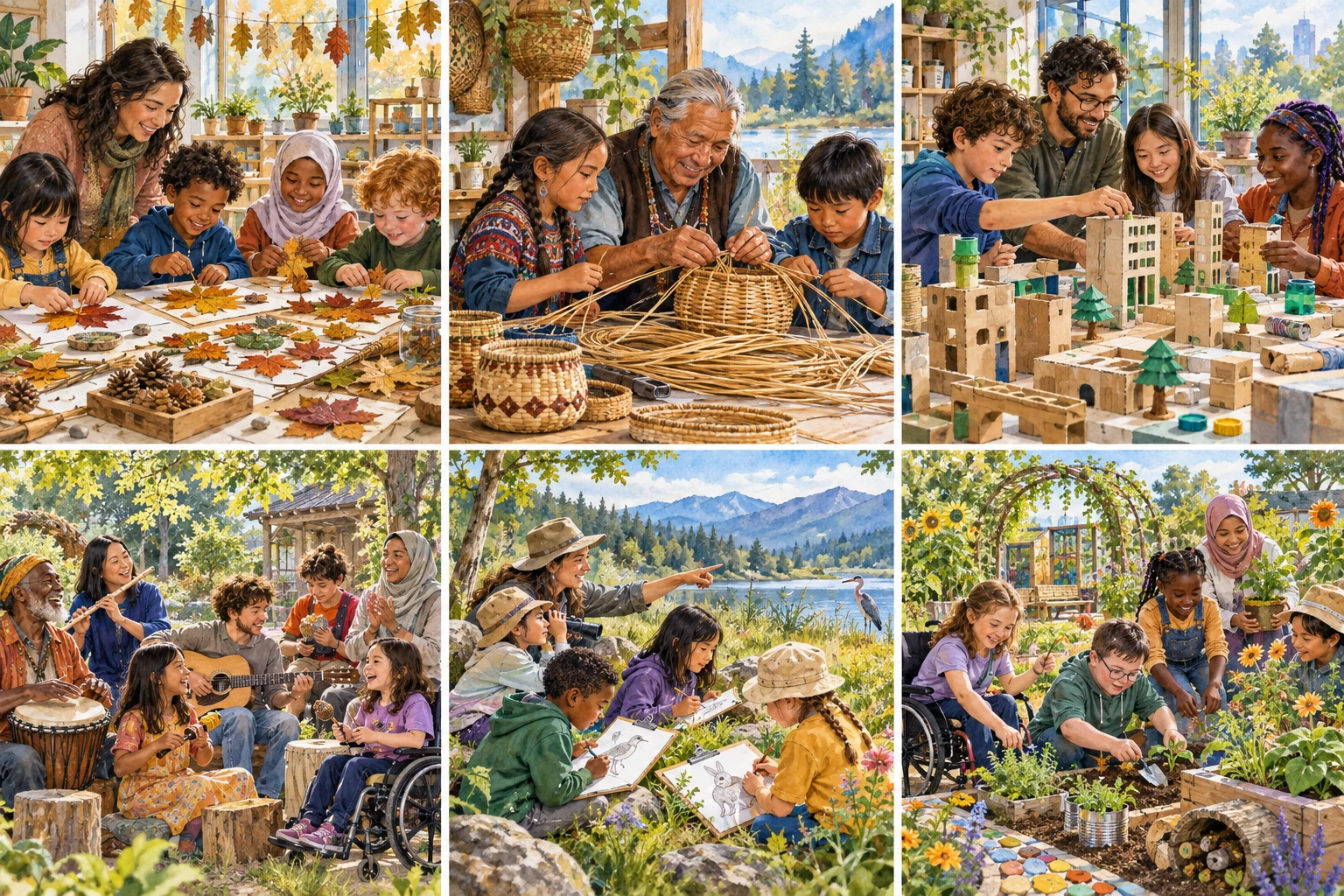
What could you make with what is available around you? Who could teach you a skill, and whom could you teach?
AI-created illustration of possible everyday activities around our shared world. Fictional people and settings; not a photograph or a depiction of this country. Select the picture to open a larger view in a new tab.Explore salaries, insurance, pensions and benefits after office. Start with Congress, a dated comparison for all 50 states and links for researching your community.
Explore salaries and benefitsBegin with your own experience. Discover the connections together.
Make your voice heard in the decisions affecting your community. Choose your state for local-government contacts, state legislators and your representatives in the U.S. Congress.
You do not need to understand politics or know the right words. Begin with something you are experiencing. Choose a question below, change it to fit your situation, or ask your own.
By sharing what you are experiencing, you give others an opportunity to listen, contribute and help you understand your situation more clearly. Together, we may discover improvements that help you—and recognise renovations needed within our country’s shared systems.
Those renovations can strengthen our own house, the United States, while helping care for the greater house we all share: planet Earth.
Ask your own question Share an experience
No account is required to contribute. You can choose not to display a name. Public questions and discussions are reviewed before publication; avoid sensitive personal information. Replies and help are not immediate.
You can belong to several rooms. Your work, family, interests and circumstances all offer starting points. These examples invite questions; they do not prescribe your answer.
The Constitution and possible changes · Our relationships with other countries
Different experiences · One human family
United States is more than its government or its borders. Learning about the people who live here helps us understand what matters to them, how public choices affect their lives, and what we can learn from one another.
These are selected starting points, not a complete portrait. People within a country have different languages, beliefs, histories and ways of life. Traditions can cross borders, change over time and be shared by people who live elsewhere. No example represents everyone or determines anyone’s value.
Community and cultural resource
The Smithsonian explains how musical traditions combined in jazz and how the music spread internationally.
Explore the source and learn moreCommunity and cultural resource
Smithsonian Music discusses Native peoples’ musical traditions and participation in contemporary musical forms.
Explore the source and learn moreSources checked 11 October 2026. UNESCO records and cultural institutions offer useful examples, but residents and practitioners can help us understand the wider picture. Inclusion in a heritage list is not a measure of a culture’s worth.
A celebration or historic place is only one part of cultural life. Everyday experiences can help others understand these connections:
What would you like people elsewhere to understand about your community—and what could we learn from one another?
Tell us which community, region or experience you are describing. Share a story, explain why a tradition matters, suggest a reliable source, or correct something we have missed. You may contribute without displaying your name; please avoid private information about yourself or others.
When people share their experiences, others can better understand their needs, question assumptions and consider changes that respect people in every room of our shared house.
Ask or share a cultural question Join the shared conversation Suggest a source or correction
Public safety and public trust depend on understanding both police responsibilities and the limits on police power. These questions support fair treatment, responsible policing and evidence-based accountability.
Federal civil-rights enforcement and complaint information; not a complete state or local police rulebook.
What legal grounds must an officer have to stop, search or arrest someone? When is a warrant required, and what exceptions exist? Must the officer explain the reason or identify themselves?
What legal limits apply to force, restraints and weapons? What do necessity and proportionality mean under the applicable law? What must be reported, and who reviews serious injury or death?
What rights apply to legal assistance, silence, interpreters, medical care and notification of another person? What additional protections cover children and people with disabilities?
What prohibits discriminatory policing, coercion, corruption and mistreatment? How are allegations investigated, and what evidence can the public access?
What rules protect peaceful assembly and regulate police dispersal? When may people record police? What limits apply to surveillance, device searches, body-camera access and retention of personal data?
Can I complain outside the police service? What are the deadlines and confidentiality limits? Does a complaint affect a court or compensation deadline? Who reviews an unsatisfactory outcome?
Identify the police service, location and date involved. Ask for the applicable police Act, criminal procedure rules, use-of-force policy, custody safeguards and independent oversight body. Check amendments, territorial scope and court decisions. Official guidance explains a process; it is not the full legal text.
For a complaint, keep a factual chronology and copies of relevant records when safe. Ask the receiving body about deadlines, evidence, confidentiality, retaliation protections and review options. An external complaint body may require your identity; contributing without a public name on this website does not make an official complaint anonymous. Seek qualified local advice about legal proceedings and deadlines.
This website is not an emergency or police-complaint service. For immediate danger, use appropriate local emergency assistance. Do not assume a rule from another country applies where you are.
OHCHR: human-rights standards and practice for police — training reference addressing the UN Code of Conduct and use-of-force principles. Read alongside verified national law; it does not establish a universal police complaint procedure.
These educational guides are not legal advice or a complete inventory of police rules. Our translations are reading aids; check authoritative legal editions. Legal texts stay on their publishers’ sites.
Explore police responsibilities and rights across all houses · Suggest an official source or correction · Ask a question
Understanding the rules that affect daily life can help people ask informed questions, protect their rights and contribute to peaceful improvements in this house and our shared world.
Federal statutory collection; check edition and supplements. Source located 2026-10-10; current applicability of individual laws has not been certified here.
This is a source guide, not a complete inventory of every law. Coverage, amendments and local routes need continuing review.
Which rules cover renting, eviction, abandoned property, planning, utilities and consumer protection? Who enforces them, and how can I challenge a decision?
What protects wages, safety, equal treatment, pensions and benefits? Which rules apply to informal, temporary or self-employed workers?
What rules govern access to care, schooling, disability support, child protection and family responsibilities? How can people request help or appeal?
What protects peaceful participation, access to public information and a free press? How can residents report misconduct safely and hold officials accountable?
What controls the collection, sharing and correction of my information? What remedies exist when technology causes harm?
Which rules protect clean water, food safety, land, ecosystems and disaster preparedness? Are they enforced, and who can contribute evidence?
Where can I find courts, complaints bodies and affordable or free legal assistance? What deadlines, eligibility rules and appeal routes apply?
Ask both what a rule requires and whether its effects serve people fairly, protect life and consider future generations. Share evidence and explore improvements without assuming every country needs the same system.
Legal texts remain on their publishers’ websites. Their downloads and reuse follow their own terms. We provide educational information, not legal advice or authoritative translations.
Explore laws guides in all 199 houses · Ask a question · Suggest an official source or correction
These are the rules and principles through which this house governs itself. Reading them can help people ask informed questions about rights, responsibilities, public power and peaceful change.
Read the original Constitution together with amendments; the original text alone does not describe every provision currently applicable.
Read the 1992 reference edition on Constitute · Available reference languages: en, es, ar.
This is an external comparative-library edition, not an official publication from this country. Its edition year does not establish the latest amendment date or that it is currently in force. Check for later amendments, replacement texts and transitional rules before relying on it.
A promise in a constitution and everyday experience can differ. Examine the text, the institutions meant to enforce it and verifiable evidence of what people experience. This guide does not rank countries or assume one constitutional model fits every community.
Language and legal authority. Our explanations can follow your selected website language. External publishers control their own language options. Website translations and unofficial translations are reading aids, not legally authoritative versions. Check original texts and obtain qualified local advice for a legal matter.
Reading and downloads. Open the publisher’s page to read or use its available downloads, subject to its terms. We link to sources and do not host copies of these constitutions or their translations.
Compare constitutional frameworks across our shared world · Ask a question · Suggest an official source or correction
Who can explain the costs, coverage and assistance available to me?
Ask this questionCan I obtain information in a form or language I understand?
Ask this questionHow can I ask for a review of a billing, coverage or access problem?
Ask this questionWhat would help healthcare workers spend more time caring for people?
Ask this questionHow can I obtain prescribed medicines and understand their costs without interrupting treatment?
Ask this questionAre preventive care, dental care, rehabilitation and continuing treatment accessible?
Ask this questionHow can people obtain mental-health support with dignity and privacy?
Ask this questionCan care respect disability access, language, age and cultural needs?
Ask this questionHow can patients raise a concern about safety or treatment and receive a clear response?
Ask this questionWhat would make essential care accessible to everyone, not only those able to pay?
Ask this questionAsk the provider or relevant programme to explain the process and available assistance. Record questions and keep copies of documents you may need.
Health coverage and other benefits information
Access to care connects to staffing, public policy, living conditions, prevention and how services are organised.
What would improve the situation? Who should help decide? What evidence would show whether a change worked?
What would help us provide good care without becoming exhausted?
Ask this questionAre staffing, equipment, medicines and referral arrangements adequate for the work expected of us?
Ask this questionCan we raise safety concerns through an appropriate route and see that they are addressed?
Ask this questionWhat training, supervision and practical support would improve care?
Ask this questionCan useful technology reduce avoidable paperwork while protecting patients and professional judgement?
Ask this questionHow can smaller communities retain health workers without weakening care elsewhere?
Ask this questionIdentify a specific barrier to providing care and the appropriate workplace or professional route for raising it. Describe systems rather than identifiable patient cases.
Conditions for healthcare staff affect patient safety, continuity, family life and the effectiveness of public spending.
Which costs are rising most for my household, and what is causing those increases?
Ask this questionIs there help I may qualify for with food, housing or utility bills?
Ask this questionWhat could make essential things more affordable without lowering quality or harming workers?
Ask this questionWho benefits from the way these prices are set, and who carries the costs?
Ask this questionWrite down the bills causing the most difficulty. You can ask a provider to explain charges and look for assistance you may qualify for.
Government benefits and financial help
Household costs connect to wages, services, competition, public decisions and international supplies.
What would improve the situation? Who should help decide? What evidence would show whether a change worked?
Can my workplace change staffing, schedules or equipment so we can do the job well?
Ask this questionWho can explain my workplace rights and the options for raising a concern?
Ask this questionIf technology helps us produce more, could workers share the benefit as pay or available time?
Ask this questionWhat would give me more time for family, rest and things I enjoy?
Ask this questionDescribe the task, schedule or condition causing difficulty and the change you think could help. Ask which workplace or public process handles that concern.
Find state government services
Working conditions connect to management, labor policy, customer expectations and how productivity gains are shared.
What would improve the situation? Who should help decide? What evidence would show whether a change worked?
What skills do I already have that an employer may not recognise?
Ask this questionCan I get help finding suitable work or training?
Ask this questionWill this course lead to real opportunities, and what will it cost?
Ask this questionHow could transport, disability access or caregiving arrangements make participation easier?
Ask this questionList your abilities and the conditions you need to work successfully. An American Job Center can help explore employment and training options; services vary.
Employment connects to education, accessibility, local infrastructure and changes in the wider economy.
What would improve the situation? Who should help decide? What evidence would show whether a change worked?
What options are available if I am struggling with rent or finding a home?
Ask this questionWho can help me understand a housing problem or dispute?
Ask this questionHow do land, construction, financing and local rules affect the homes available?
Ask this questionCould our community improve affordability while preserving quality and access?
Ask this questionIdentify whether your concern is cost, availability, repairs or a dispute. The same problem may require different kinds of help.
Housing and financial assistance starting points
Housing connects to land use, jobs, transport, finance and the resources used to build and maintain homes.
What would improve the situation? Who should help decide? What evidence would show whether a change worked?
Who can listen to my child and help us understand the difficulty?
Ask this questionAre families and teachers given time and resources to work together?
Ask this questionWhat help is available before a family reaches a crisis?
Ask this questionAs a caregiver, what support would help me avoid carrying everything alone?
Ask this questionDescribe what you have noticed and ask the school or relevant service who can discuss it with you. Avoid sharing a child’s identifying details publicly.
Explore public benefits and state services
Family well-being connects to education, working schedules, accessible services and the people who provide unpaid care.
What would improve the situation? Who should help decide? What evidence would show whether a change worked?
Open a door between our rooms: invite teacher-supervised sister-school partnerships, pictures, creative projects and dialogue with other schools nearby or around the world, without needing to travel.
Find school directories and education contact routes for United States · Explore the supervised exchange proposal
Why am I learning this, and how could it help me?
Ask this questionCan I ask questions and explore interests that do not fit a standard path?
Ask this questionWhat alternatives should I compare before choosing a course?
Ask this questionAs a teacher, what prevents me from giving learners the attention they need?
Ask this questionAsk about total costs, practical experience, support and realistic outcomes. Include vocational, community and lifelong learning options in your comparison.
Career and training exploration
Learning connects to access, work, family circumstances and the knowledge communities pass between generations.
What would improve the situation? Who should help decide? What evidence would show whether a change worked?
Which costs or rules are most difficult, and who can explain their purpose?
Ask this questionDo small businesses have a fair opportunity to compete?
Ask this questionCould shared equipment, better infrastructure or cooperation reduce our costs?
Ask this questionWhat would help us provide better service, durable products and secure jobs?
Ask this questionIdentify the specific obstacle and the institution responsible. Compare its intended purpose with its actual effects on customers and workers.
Find the officials responsible for public decisions
Local enterprise connects to finance, competition, infrastructure, supply chains and the benefits people receive from their work.
What would improve the situation? Who should help decide? What evidence would show whether a change worked?
Can we obtain the parts, manuals and tools needed to maintain this equipment?
Ask this questionWould a different design reduce future costs or improve safety?
Ask this questionAre experienced workers consulted before decisions are finalised?
Ask this questionWhy does this contract reward a low purchase price rather than lasting value?
Ask this questionRecord what makes the repair difficult and ask the manufacturer or purchaser to explain the available options. Compare lifetime costs rather than purchase price alone.
Explore supply-chain questions
Design and repair connect to household costs, manufacturing choices, material extraction and waste across countries.
What would improve the situation? Who should help decide? What evidence would show whether a change worked?
Is there food assistance available while I deal with this difficulty?
Ask this questionAs a grower or fisher, can I earn a living while protecting the resources I depend on?
Ask this questionWhat causes usable food to be wasted?
Ask this questionCould better storage, transport or cooperation help producers and families?
Ask this questionLook for available assistance if you need it. For a production or distribution concern, describe where the difficulty occurs and who could help investigate it.
Food and other financial-hardship assistance
Food connects families to growers, workers, soil, water, transport and international trade.
What would improve the situation? Who should help decide? What evidence would show whether a change worked?
Who can explain local testing and what its results mean?
Ask this questionWhy is my energy bill rising, and can I compare the causes?
Ask this questionCould we improve reliability while reducing environmental harm?
Ask this questionAre we solving a problem here or moving it somewhere else?
Ask this questionLook for information from the responsible local or state agency and ask what has been measured, what remains uncertain and what action is available.
Find your state and its agencies
Energy and environmental conditions connect local choices to shared air, water, ecosystems and supplies beyond our borders.
What would improve the situation? Who should help decide? What evidence would show whether a change worked?
Can I get human help when a digital service is difficult to use?
Ask this questionWhat support might help with daily living or caregiving?
Ask this questionHow can I share my experience with younger people?
Ask this questionAre older people and people with disabilities included in decisions about services?
Ask this questionName the barrier you are experiencing—cost, accessibility, isolation or a complicated process—and ask which service can help with it.
Benefits and basic living expenses
Independence connects to housing, accessibility, care, community relationships and how different kinds of contribution are valued.
What would improve the situation? Who should help decide? What evidence would show whether a change worked?
As a public employee, can I explain an unintended consequence safely?
Ask this questionAs a responder or service member, do training and resources support safe, lawful work?
Ask this questionWhat support is available for veterans and their families?
Ask this questionWho independently reviews concerns about misuse of authority?
Ask this questionIdentify the relevant service or oversight process and understand its privacy rules before providing sensitive information. Our public discussion is not a secure disclosure channel.
Veterans’ services and benefits
Public service connects staffing and practical experience to accountability, prevention and the safety of communities.
What would improve the situation? Who should help decide? What evidence would show whether a change worked?
What real need is this technology meant to meet?
Ask this questionWho checks its errors and remains responsible?
Ask this questionAs a researcher or developer, can I share findings that challenge a preferred result?
Ask this questionHow can artists, volunteers and caregivers receive support for contributions that may not generate income?
Ask this questionAsk for a concrete explanation of the benefit, the costs and who has control. Compare the proposed system with simpler alternatives.
Technology connects human purpose to ownership, labor, privacy, cultural life and the resources used across the planet.
What would improve the situation? Who should help decide? What evidence would show whether a change worked?
Can I examine the original evidence rather than only the headline?
Ask this questionWho owns or funds this news source, and are conflicts disclosed?
Ask this questionCan journalists investigate powerful people independently?
Ask this questionDo I defend others’ freedom to speak when I disagree with them?
Ask this questionHow can a person challenge a restriction or correct an inaccurate report?
Ask this questionHow can people report concerns without being unnecessarily exposed?
Ask this questionCompare the report with original documents where possible. Separate evidence, allegations, opinion and uncertainty, and look for visible corrections.
Read the constitutional overview of press freedom
Information connects our personal judgments to public accountability, technology platforms and how other countries are portrayed.
What would improve the situation? Who should help decide? What evidence would show whether a change worked?
What powers and responsibilities belong to the office this person seeks?
Ask this questionWho supports their campaign, and how will conflicts be handled?
Ask this questionWill they apply the same standards to allies and opponents?
Ask this questionWhat evidence supports their promises?
Ask this questionWho makes the decision affecting me, and how can I have a say?
Ask this questionWhat can I do between elections?
Ask this questionCompare records and proposals using the same standards for every candidate. Identify whether the relevant decision is local, state, federal or made by another institution.
Find and contact your elected officials
Voting and participation connect everyday concerns to representation, constitutional limits and decisions affecting the wider world.
What would improve the situation? Who should help decide? What evidence would show whether a change worked?
How can resources support lasting well-being rather than become a reason for division?
Ask this questionWho has rights and responsibilities over the resources, and how are their benefits currently shared?
Ask this questionIf new technologies, demand or prices changed, what would happen to jobs and public income?
Ask this questionHow would healthcare, education, pensions and infrastructure be funded if resource income fell?
Ask this questionWhat skills, enterprises and investments could support livelihoods beyond one industry?
Ask this questionWhat assumptions about exports, transport, public debt, currency and environmental responsibilities need to be tested?
Ask this questionCan disputes about resource benefits be addressed through fairer arrangements and cooperation?
Ask this questionAre Indigenous peoples, workers, affected communities and future generations included in these decisions?
Ask this questionExamine several possible futures rather than relying on today’s prices or demand. Compare the evidence, assumptions, transition costs and effects on essential services. Ask who would carry risks and what could protect households and workers.
Examine energy and technology evidence through the IEA
Resource decisions connect local livelihoods to markets, technology, transport, public services and ecosystems beyond any proposed border. Lasting well-being depends on more than control of a valuable resource.
How can communities preserve their language and culture while strengthening relationships with others?
Ask this questionWhat practical concerns about language, education, public services or cultural continuity need to be addressed?
Ask this questionCould language protections, local participation, cultural investment or multilingual services address these concerns?
Ask this questionWhat evidence shows that a proposed political change would protect a language better than these alternatives?
Ask this questionWould a new border by itself protect a language from global media, economic pressures or changes between generations?
Ask this questionHow would minority languages, Indigenous cultures, mixed families and people with different identities be respected?
Ask this questionWhat would happen to opportunities for study, work, medical care and family connections across borders?
Ask this questionCan children learn their own language and culture while also gaining opportunities to communicate with the wider world?
Ask this questionAsk which specific opportunities and protections a community needs. Examine how schools, families, public services and cultural institutions can sustain them. Include different generations and communities in the conversation.
Explore UNESCO’s resources on languages in education
Distinct languages and cultures enrich our shared house. Cooperation can support cultural continuity, local participation and connections between communities without requiring people to give up their identity.
What concerns drive calls for separation, and how could cooperation address them?
Ask this questionWhat concerns about fairness, representation, resources, language or culture are leading people to seek change?
Ask this questionWhat practical changes in local participation or authority could address those concerns while strengthening cooperation?
Ask this questionWho benefits from division, and what evidence supports claims of deliberate manipulation?
Ask this questionAre people hearing accurate information about the costs, responsibilities and uncertainties of a proposed separation?
Ask this questionWhat would a change mean for medical care, pensions, public finances, jobs, movement and shared infrastructure?
Ask this questionHow would Indigenous rights, minority rights and people who disagree be protected?
Ask this questionWhich lawful procedures apply, and how can every affected community be heard without intimidation?
Ask this questionHow can neighbours continue cooperating on water, ecosystems, services and peaceful relationships?
Ask this questionStart with the concern people want addressed, then compare practical ways of addressing it. Regional identity, greater local authority and political independence are different questions; the applicable legal arrangements must be checked locally.
Governing for Life begins with the recognition that we share one planet. Our aim is to address concerns, protect cultural identity and strengthen cooperation. We invite people to examine evidence and consequences rather than judge a whole community or assume that a new border resolves the underlying problem.
The saying “divide and conquer” gives us reason to examine who benefits when communities turn against one another. Claims about intentional manipulation should be supported by evidence, while the concerns people raise should still be heard.
Our purpose is to find ways of improving life through cooperation in our shared planetary home. Any change in political arrangements leaves continuing responsibilities to neighbours, ecosystems and future generations.
The United States’ constitutional framework includes amendments adopted after the founding. Article V provides a way to amend it. Generally, a proposal requires two-thirds of both houses of Congress or a convention called following applications from two-thirds of state legislatures; ratification requires three-fourths of the states. Article V also protects a state’s equal suffrage in the Senate from removal without its consent.
Read the constitutional amendment process · Read later amendments
Serving the public good can be a reason to propose a change. Adoption still requires the constitutional process. Begin by distinguishing an amendment from changing an ordinary law or enforcing a protection already in place.
Am I being treated fairly, and which existing protections apply?
Ask this questionIs this problem caused by the Constitution, a law, how it is interpreted, or how it is carried out?
Ask this questionCould the problem be addressed without amending the Constitution?
Ask this questionWhat exact words are proposed, and what would they do?
Ask this questionWould this change protect people who disagree with the majority?
Ask this questionWould I support it if my political opponents were in charge?
Ask this questionWho would gain power, and how could that power be challenged?
Ask this questionWhat benefits, risks and unintended consequences should we examine?
Ask this questionSpeech and press freedoms raise questions about public power, lawful limits and remedies. Constitutional rights and disagreements with a private organisation are not automatically the same issue; the facts and applicable law matter. The linked constitutional resources help readers investigate rather than assume.
What happens in the United States can affect people elsewhere, and events elsewhere can affect our lives. Countries contain many different people and viewpoints. A government’s action does not describe every person who lives there.
Where do the things I use come from, and what conditions do the people making them experience?
Ask this questionAre we improving our own room while moving costs or harm into someone else’s?
Ask this questionWhat can we learn by listening directly to people in another country?
Ask this questionBefore supporting military action, what evidence, peaceful alternatives and civilian consequences should we examine?
Ask this questionHow can countries manage migration fairly while respecting dignity and supporting affected communities?
Ask this questionWhat could we accomplish together on food, energy, health and the living world?
Ask this questionDo we ask the same standards of our own government that we ask of others?
Ask this questionStart with what you notice. Ask what is known, what remains uncertain, who is affected and what alternatives might help. An experience that feels isolated can become useful knowledge shared with others.
The resources here are starting points, not promises of eligibility, funding or a particular outcome. Programmes and local circumstances differ. Governing for Life welcomes dialogue; it does not replace the agencies and professionals responsible for providing services.
Ask your own question Join the discussion
Missing something? Choose Other when submitting, or explain your concern in your own words. Different countries need questions shaped by their own histories, institutions and residents’ experiences.
People in United States share a connected planet. Climate and ecosystem changes can affect food, water, health, housing, energy and transport. Rising seas can also affect countries through coastal infrastructure, trade and human movement.
Rising seas and the wider picture: examples and choices
Explore country and subnational climate evidence · Share a local source or correction
This starting guide links global evidence with local questions. It does not yet provide a verified, detailed forecast for United States. Country-specific findings will need dated sources and regional context; availability varies.
People in United States belong in our shared discussion of wages, prices, care and the freedom to enjoy life. Local circumstances matter: a city worker, rural producer, unpaid carer or person unable to work may face different barriers.
The people who keep our shared house running
Ask a question about United States · Explore assistance routes · Suggest dated local evidence
The linked article provides international examples and clearly labeled scenarios. This section asks local questions; it does not claim a verified wage or household budget for United States.
Look beyond familiar streets and discover the plants, wildlife and habitats that share this room in our planetary house. Start nearby, explore neighbouring regions or travel through images and films.
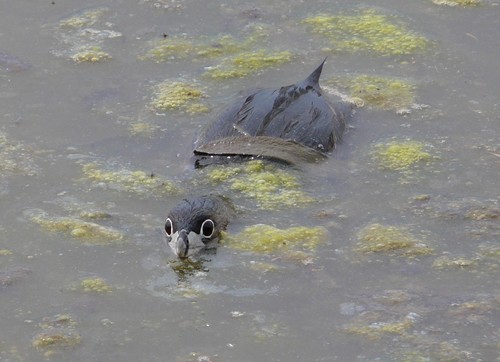
These photographs come from openly licensed iNaturalist observations located within the country. Identification reflects the observation record and can be corrected. A photograph is not evidence of a species’ current abundance or exclusive presence here. External images may load slowly or become unavailable; original source links remain available.
Explore more recorded wildlife and plant photographs
National Park Service offers a park or tourism starting point. Tourism material is promotional; check local guidance and conservation information too.
Explore UNESCO natural and mixed heritage sites by country · Watch nature documentaries
Which habitats near you face pressure from development, pollution, resource use or changing weather? Which local projects are protecting or restoring them? These questions invite local evidence; the gallery does not establish which pressures occur at each location.
For children and adults: What surprised you? What would you like to learn? Could this discovery open an interest in science, conservation, art or another way to contribute?
Suggest local nature resources or offer photographs with permission
What rights are protected in law here, and do women and girls experience those protections in daily life? Can they learn, work, participate in decisions and seek help without discrimination or coercion? What has improved, and what still needs attention?
These questions invite local evidence rather than assume the same barriers exist everywhere. Explore documented examples and practical changes · Find assistance starting points.
Are women and men paid equally for equal work or work of equal value? What explains differences in wages, benefits, pensions and promotion opportunities—and how can unfair treatment be challenged safely?
Our countries and communities are rooms of one shared house, Earth. Introduce your part of United States through your own experiences, pictures, creativity, and ideas.
Children deserve a meaningful voice here. Schools, libraries, and community leaders can invite their ideas about local life and explain what happens next. Children may notice simple possibilities adults have overlooked; their experiences deserve thoughtful consideration.
Explain your position and listen to others: constructive dialogue seeks understanding. Label personal accounts as your experience, support broader factual claims with sources, and protect people’s privacy. No contributor speaks for everyone in a country.
Share a story, creation, or constructive community idea for private review · Ways to give children a greater voice
You are welcome to answer any of these questions in your story. Choose only what you feel comfortable sharing; you do not need to disclose painful or private experiences.
Children’s contributions should be guided by a trusted adult, with appropriate permission and no private contact details. These are invitations for communities to develop opportunities; listing them does not mean a local forum already exists.
Know a talented child, adult, teacher, organization, or original performance video? We invite suggestions and authorized links from every country house. Help us show what is possible and how more children can receive opportunities to create.
The World Has Talent: invitation and organization directory
We also welcome carefully sourced animal encounters, interactions between species, and stories of rescue and care. Share the original source and context so we can review what the footage shows.
Animals, kindness, and unexpected connections · Contact our sharing team
Anyone may suggest an original link. Contributions remain private until approved; no listed organization is represented as an existing partner.
We warmly welcome help from people who are fluent in the languages used here. These AI-assisted translations may contain mistakes or miss cultural nuances. Your knowledge can help preserve the meaning, tone and intent of the message for readers around the world.
Please send us the page or document, quote the wording that needs attention, and suggest a correction with a brief explanation. A single correction is valuable. You can also volunteer to review more content and become part of our volunteer community team.
If you support Governing for Life’s purpose—improving the well-being of people and the living world—we also welcome volunteer moderators and community mediators. Moderators help apply the participation guidelines fairly. Mediators help keep communication polite and respectful, make room for different viewpoints, and avoid using their role to promote personal opinions. Supporting the purpose does not require agreement with every article or perspective.
Choose the kind of help and the time commitment that suits you. Together, people from different countries, languages and experiences can help this worldwide conversation grow.
Send a correction or express interest in joining the team · Explore volunteer team roles